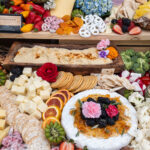
The first bite is not what guests notice when they walk into a celebration. It is the sight of abundance: colorful fruit, artfully folded charcuterie, cheeses at their peak, and a platter styled generously enough to pull people into the room. Knowing how to order party platters means planning for that moment, while making sure every guest has something wonderful to enjoy.
For a birthday in the hills, a bridal shower in the backyard, a client gathering downtown, or an elegant family dinner, party platters can do more than cover appetizers. They can become the centerpiece that makes hosting feel effortless and the event feel considered.
Start With the Kind of Gathering You Want to Create
Before choosing cheeses, dips, or desserts, think about how the food will function in the event. A cocktail-style party calls for easy, handheld grazing that guests can enjoy while mingling. A long afternoon shower may need a more substantial mix of savory items, fresh fruit, and sweets. A dinner party might begin with a beautifully composed board that sets the tone before the main meal arrives.
The guest experience should guide the scale, too. A platter for 10 people is not simply a smaller version of a display for 75. Larger events need multiple access points so guests are not crowded around one table. They also benefit from more variety, particularly when friends, family, colleagues, and different dietary preferences all meet in one room.
Think about the visual mood of the occasion. Do you want bright, playful color for a graduation brunch? Soft, romantic abundance for a bridal celebration? A sleek, refined spread for a corporate event? Sharing the event’s palette, tablescape plans, and overall feeling with your caterer gives them the information needed to create something that belongs in the setting, rather than merely sitting beside it.
How to Order Party Platters by Guest Count
Guest count is the starting point, but timing matters just as much. The same group of 30 will eat very differently at a 5 p.m. reception before dinner than at a 1 p.m. baby shower where platters are the main food.
If party platters are a light welcome bite before a full meal, plan for modest grazing portions. If they are replacing lunch or dinner, guests need a heartier selection with enough protein, bread, crackers, produce, and filling accompaniments. For open-house gatherings, assume people will arrive and snack in waves. A display should stay inviting from the first arrivals through the final goodbyes.
A professional platter provider can help translate your headcount into the right amount of food, but be clear about these details: the event start and end time, whether another meal is being served, the age range of guests, and how much drinking or dancing is likely to happen. A champagne-forward evening usually calls for more substantial savory grazing than a short morning coffee gathering.
It is also wise to order for a little more than the exact RSVP number when the occasion is significant. Generosity is part of the experience. A nearly empty platter halfway through a celebration changes the mood quickly, while a well-stocked display makes guests feel welcome to return for another bite.
Choose a Menu With Range, Not Randomness
The most memorable platters offer contrast. Rich cheeses need the lift of fruit or something pickled. Salty cured meats shine beside preserves, honey, or a little crunch. Creamy dips benefit from colorful vegetables and substantial crackers. The goal is not to include every possible ingredient. It is to create combinations guests naturally want to try.
When placing an order, tell your caterer what you love and what you want to avoid. Perhaps you want triple-cream brie, peppery salami, seasonal berries, and a touch of chocolate. Perhaps you would rather lean Mediterranean, brunch-inspired, California-fresh, or especially kid-friendly. A custom platter should reflect the celebration and the people gathering around it.
Dietary needs deserve early attention, not an afterthought on event day. Ask guests about vegetarian, vegan, gluten-free, nut-free, dairy-free, halal, kosher-style, and allergy-related needs during the RSVP process when possible. Then share the total number of guests with each requirement. One small dietary platter may be perfect for a few guests, while a more integrated menu is better when a large part of the group has similar needs.
For serious allergies or strict dietary restrictions, ask directly about ingredient handling and cross-contact. Beautiful presentation should never come at the expense of a guest feeling uncertain about what is safe to eat.
Decide Between Drop-Off Platters and a Styled Display
Delivery platters are an excellent choice for intimate gatherings, office celebrations, and hosts who have a prepared serving area. They offer the polished impact of premium grazing with a simple handoff, leaving you free to light candles, greet guests, or finish getting ready.
For a larger guest count or a major milestone, in-person setup can change the entire atmosphere. A grazing table or elevated appetizer display creates a true arrival moment, with food styled in layers and designed for guests to explore. It is especially effective for weddings, bachelorette parties, milestone birthdays, bar mitzvahs, and corporate celebrations where the food is part of the visual story.
The right choice depends on budget, venue access, and how much support you want on the day. A delivery order is streamlined and practical. A fully styled installation offers more spectacle and removes more of the hosting work. At Charcutisan, the experience can be tailored from premium boards for smaller groups to abundant displays designed for a room full of guests.
Give Your Caterer the Details That Prevent Surprises
A few practical details make an enormous difference. Let your platter provider know the delivery window, venue address, parking instructions, stairs or elevators, gate codes, and the name of the person receiving the order. Los Angeles events can be affected by traffic, limited loading access, and tight venue schedules, so clarity protects the experience you have planned.
Also discuss where the food will live. Is there a shaded indoor table, or will the platter sit outdoors in warm weather? Is the surface large enough for the display? Will it be near a bar, where guests can snack easily, or tucked away in a corner? Food that looks magnificent needs room to breathe and enough space for guests to approach comfortably.
If the event is outdoors, ask about timing and food safety. Perishable ingredients should not sit in direct sun for hours, especially during warmer months. Your caterer may recommend a later setup, shaded placement, smaller replenishable platters, or a menu adjusted for the conditions.
Order Early Enough to Make It Personal
Custom party platters require more coordination than picking up a last-minute tray. Popular weekends, holiday seasons, graduation dates, and wedding-heavy months book quickly, particularly when setup, specialty ingredients, or larger guest counts are involved.
Reach out as soon as you have a date, approximate headcount, and venue. You do not need every napkin and flower finalized to begin the conversation. Early booking gives you more room to shape the menu, match the presentation to your event, and reserve the service level you want.
When your event is close, be honest about the timeline. A talented caterer may still be able to create something beautiful, but flexibility with ingredients, delivery windows, and design details may be necessary. The earlier you order, the more one-of-a-kind the final result can feel.
A great platter should make guests pause, gather, and say, “Who made this?” Give your caterer the story of your celebration, then let the food become part of how everyone remembers it.